Diesel Generator Power vs. Solar Power: Which Is Better for Your Needs?
If you manage large rectangular fields, operate irrigation systems in remote locations, or run a desert reclamation project, the question of power supply is not theoretical — it directly affects your crop yields, operating costs, and project timelines. Diesel generator power delivers reliable, on-demand electricity regardless of weather or grid access, making it the preferred choice for off-grid agricultural operations. Solar power offers long-term cost reductions where sunlight is consistent, and grid connection is available. The right answer depends on your field conditions, infrastructure, and operational priorities.
Understanding Diesel Generator Power and Solar Power
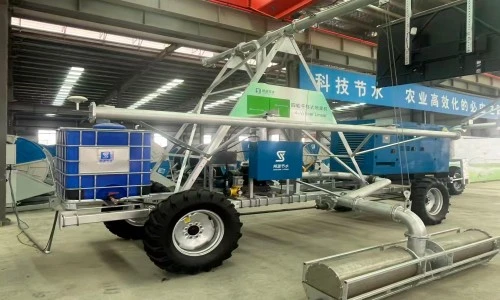
In order to compare the two, it is helpful to know what each system does in the field.
How Diesel Generator Power Works
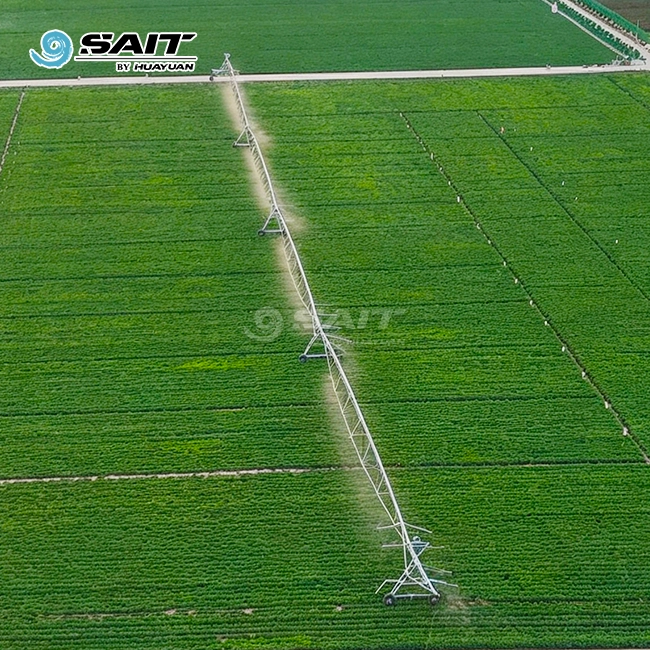
A compression-ignition engine and an alternator work together in a diesel generator power system to turn fuel into power. In farming irrigation, it works as a primary power source that doesn't need to be connected to the grid. Some important measurements are the rated output (kW), the amount of fuel used per hour, and the load capacity. Stable power and frequency are essential for linear watering systems that go up to 3,000 meters across a 240-hectare field.
How Solar Power Systems Work
Solar photovoltaic (PV) systems use panels to collect sunshine and inverters to turn it into energy that can be used. Panels, charge controllers, battery banks, and inverters are common system parts used for irrigation. Panel size, daily sun hours, and yearly changes all have a big impact on how much energy the sun gives off. If you live in an area with a lot of sunlight, a 100-kW solar array can help you save a lot of money on fuel. However, it can't always work because of cloudy days or at night.
Key Technical Differences at a Glance
Dispatching is what makes them different. Diesel generator power makes electricity whenever it's needed, every day, rain or shine. Solar needs daylight and clear air to work. This difference is very important for setting up operations that can't wait for the sun to come out.
Comparing Diesel Generator Power and Solar Power: Core Dimensions
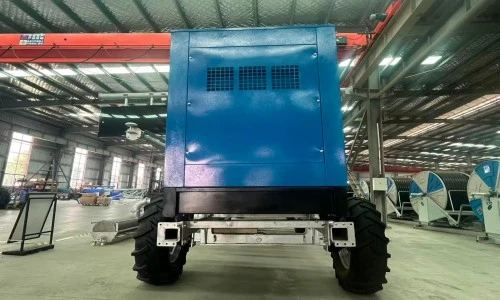
Procurement managers can make data-driven decisions when they understand the trade-offs between cost, efficiency, and environmental compliance.
Cost Structure and ROI
Diesel generator power systems are cheaper to buy up front, but they cost more in fuel and maintenance over time. Diesel fuel cost an average of $4.18 a gallon in 2023, according to the U.S. Energy Information Administration. A 50 kW generator that runs for eight hours a day uses about sixteen to twenty gallons of diesel fuel. Solar systems cost more to buy at first, but they have almost no fuel costs over a 20–25-year lifespan. Depending on incentives and region, the payback time is usually between 5 and 9 years.
Operational Reliability and Load Handling
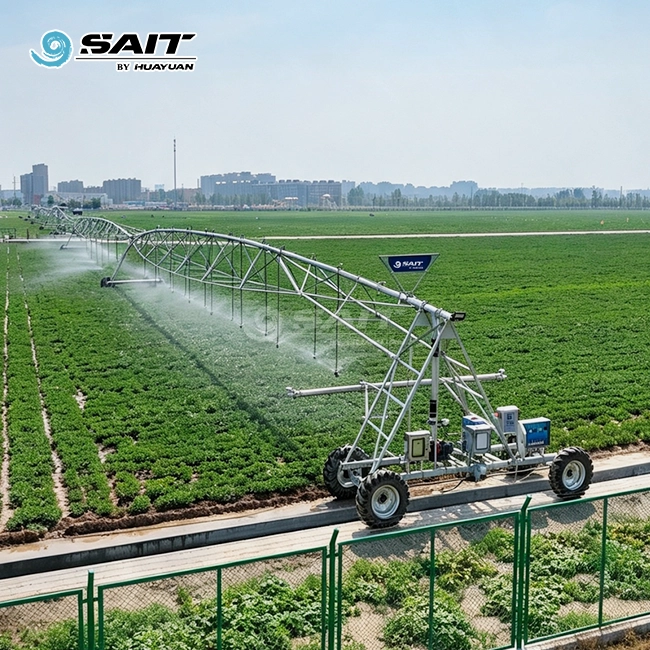
Diesel generator power can handle variable and surge loads well, which is important for running multiple span motors at the same time on a linear irrigation machine. Solar-plus-battery systems can handle steady loads, but they might not be able to handle spikes in demand if they are not large. When multiple multi-span drive units are going at the same time on a 973-meter linear irrigator, generator power gives more stable performance without the risk of power dips.
Environmental and Regulatory Compliance
Diesel engines give off NOx, PM, and CO₂. In places where emissions standards are getting stricter, like some U.S. states, older diesel units may need to be upgraded or face restrictions. Solar power doesn't give off any direct emissions while it's running, which is why government irrigation agencies and NGO-funded projects that have to be environmentally friendly like it. A hybrid approach that combines a solar array with a backup generator can meet both performance and legal needs.
Matching Your Needs: When to Choose Diesel Generator Power or Solar Power?
Most people don't have to choose between these two power sources. The choice you make should be based on your field conditions and operating plan.
When Diesel Generator Power Is the Right Fit
Diesel generator power is the best option for fields that are far away and don't have access to the power grid. This is because fuel delivery is easy and irrigation schedules need to be kept on time. Operators in the CIS region who run 500-hectare or larger state farms in Kazakhstan or contract farming companies on leased land that need tools that can be moved always choose generator-powered systems. Diesel has a clear organizational edge in these situations because it can be moved along with a lateral move irrigator without any problems with the infrastructure.
When Solar Power Makes More Sense
Solar power works well for stable systems in places with a lot of sunlight where there is no access to the power grid and the sun shines every day for more than five to six hours. Drip irrigation systems are a good choice because they use less power and can be planned better. For linear move irrigation on big rectangular fields with changing daily schedules and loads for multiple motors, solar power rarely meets the needs without a big investment in battery storage.
Hybrid Configurations as a Middle Path
An off-grid power supply, the diesel-solar hybrid has a solar setup that handles base load during the day and an engine that handles backup power during times of high demand or cloudy weather. This setup can cut fuel use by 30–50% while keeping all functions fully operational. As normal, HUAYUAN SAIT's linear irrigation systems can connect to a generator for power. The flexible platform also lets other power sources be added based on the needs of the site.
Practical Considerations in Deployment and Maintenance
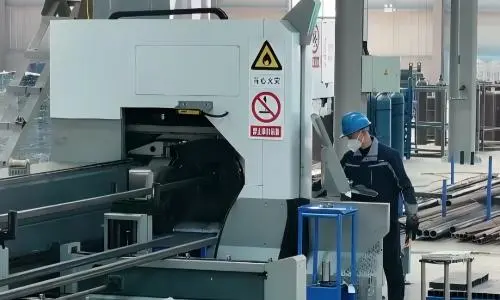
When you install the power system correctly, you save a lot of money and time over the life of the equipment.
Diesel Generator Installation and Commissioning
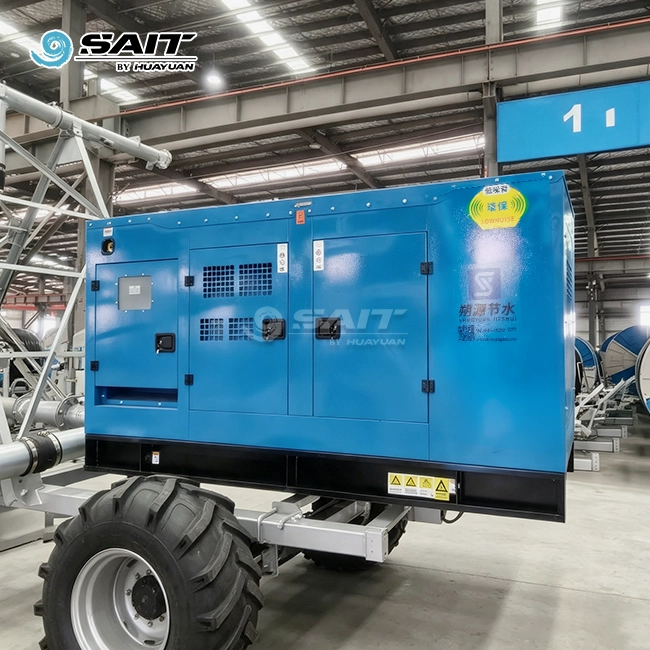
For diesel generator power watering systems to work, the unit needs to be the right size for the total motor load of all the drive lengths. The generator has to be able to handle both running current and starting surge loads for a linear move machine with span lengths between 37.5m and 54.9m and multiple drive units going at the same time. Before being used in the field, the load bank is tested at 25%, 50%, 75%, and 100% capacity to make sure the thermal stability and fuel consumption are within the design parameters.
Solar System Design and Permitting
Solar setups for farming need to be surveyed and shaded, and in many U.S. states, even off-grid battery systems need to be approved by the power company. Cleaning panels in dusty fields is an ongoing maintenance task—studies show that in dry areas, 5–7% of output is lost every month due to dirt. When compared to a diesel system, where care is mostly focused on engine service intervals, an inverter system needs to keep an eye on its health and handle the battery cycle.
Ongoing Maintenance Schedules
Here are the normal maintenance times for both systems when they are used for irrigation in agriculture:
- For diesel generator power, change the oil and filter every 250 to 500 hours of use, and check the fuel injectors and cooling systems once a year. Every 10,000 to 20,000 hours, based on the load profile and engine quality, do a major repair.
- Solar photovoltaic (PV) systems need to have their panels cleaned every 4–6 weeks in dusty places, their inverters inspected every six months, their battery banks' capacities tested once a year, and the whole system looked at every 3–5 years.
Both systems need regular maintenance to keep working well. Diesel repair is easy to understand and widely available, but in rural areas, solar generator and battery service may need to be done by trained professionals.
These upkeep needs have a direct effect on your total cost of ownership. As important as it is to compare prices, it's also important to think about how easy it is to get spare parts and how likely it is that the equipment will break down.
Procurement and Supplier Insights for Diesel Generator Power and Solar Power Solutions
It's just as important to pick a trustworthy supplier as it is to pick the right technology.
Diesel Generator Procurement Considerations
For off-grid power supply, well-known generator names like Cummins, Caterpillar, and Perkins are known for having parts and repair networks that can be reached anywhere in the world. When buying a generator for irrigation, make sure it's rated for Prime power duty and not just Standby. This is because irrigation operations may run the generator nonstop for long periods of time. Before you buy, you should make sure that the warranty covers what you want, that the service intervals are supported, and that the product works with your ATS.
Solar Power Procurement Considerations
When buying solar for farming, you need to look at how efficient the panels are (usually 20–23% for monocrystalline), how well-known the inverter brand is, and how the batteries work (lithium iron phosphate is best for cycle life in field circumstances). Some U.S. farms can get help with the upfront costs of getting energy through power purchase agreements (PPAs) and USDA rural energy grants.
Integrating Power Supply with Irrigation System Selection
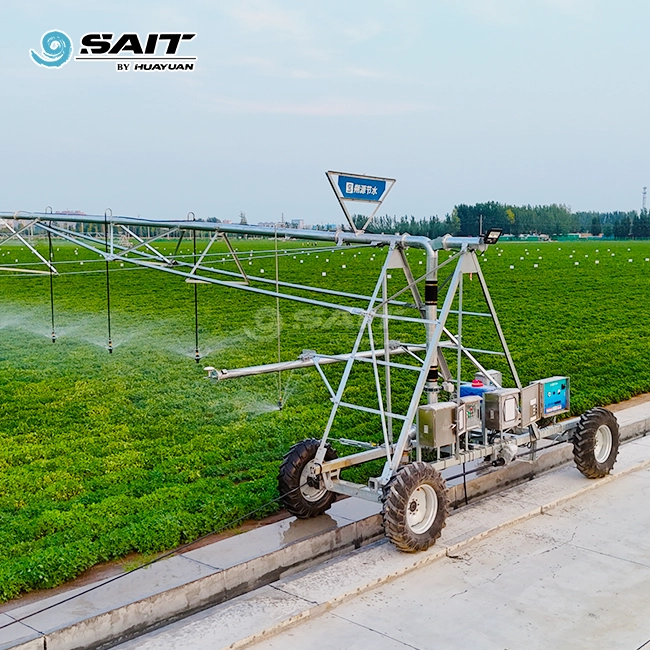
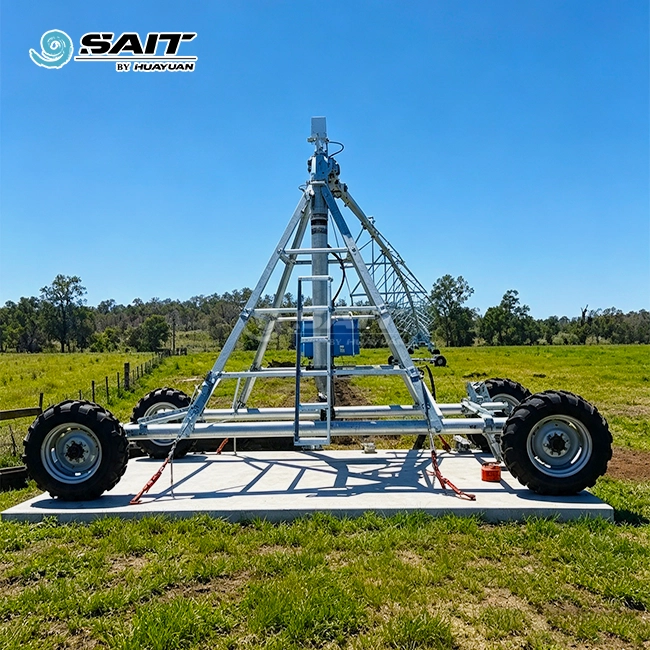
Linear move irrigation systems from HUAYUAN SAIT come in three different styles: Swing-Around, Four-Wheel Lateral, and Two-Wheel. They can be powered by either a towed cable or a generator. The span lengths of these systems range from 37.5 meters to 54.9 meters, and they can be guided by BDS/GPS dual-mode satellites. The longest machine length possible is 973 meters. They are designed for large rectangular fields where field utilization above 98% is a realistic requirement and not just a marketing claim.
Conclusion
Diesel generator power and solar power are both useful in different situations. Diesel is reliable on demand for large-scale watering in rural areas with changing load needs. If the conditions are right, solar lowers long-term power costs. Generator-powered linear irrigation is still the more reliable option for most large rectangular field operators, government irrigation projects, and desert reclamation sites. Hybrid configurations are a smart way to move forward. The most important thing is to choose a power source that fits your field conditions, budget, and ability to do upkeep.
FAQ
Q1: What is the difference between Standby and Prime diesel generator power ratings?
Standby power can only be used in an emergency and can only work for 200 hours a year at most. Prime power is designed to work continuously in places where there is no electric grid, and it can handle a 10% overload for one hour every twelve hours. Always ask for Prime-rated tools for watering systems that are used all year.
Q2: How does altitude affect diesel generator output?
A diesel generator loses about 3.5% of its maximum power for every 300 meters above sea level. This is because the air is less dense, and cooler air doesn't work as well. For field projects at high elevations, the generator size should be lowered.
Q3: Can a solar system fully replace diesel for large linear irrigation machines?
Most of the time, solar power alone isn't enough to meet the surge and steady load needs in big fields with multiple span drive units. With a solar-diesel hybrid, you can save money on fuel while still getting reliable service in all kinds of weather.
Q4: What is "wet stacking" and how is it prevented in agricultural generator use?
Wet stacking happens when a diesel engine runs at less than 30% load for a long time, letting fuel that hasn't been burned build up in the exhaust. This problem can be avoided by making sure the generator is running at the right load during watering work or by testing the load bank on a regular basis.
Ready to Power Your Fields More Efficiently? Contact HUAYUAN SAIT
For 20 years, HUAYUAN SAIT has been making linear irrigation systems that are backed by more than 130 patents, 15 of which are international patents. Our diesel generator-powered linear irrigators cover more than 98% of a rectangular plot, can be guided by both BDS and GPS, and are made of 80µm hot-dip galvanized steel to last a long time in tough conditions. As a direct-factory diesel generator power supplier for agricultural irrigation, we offer OEM/ODM customization, delivery in one week, and help with spare parts for life at the factory's cost. To get a price on your job right away, email our team at kevin@showyirrigation.com.
References
1. U.S. Energy Information Administration. Monthly Energy Review. 2023.
2. National Renewable Energy Laboratory (NREL). Solar Resource Data and Tools. 2022.
3. Cummins Inc. Generator Set Application and Installation Guide. 2021.
4. Food and Agriculture Organization of the United Nations (FAO). Irrigation Water Management: Irrigation Methods. 2020.
5. American Society of Agricultural and Biological Engineers (ASABE). Standard EP458: Field Evaluation of Microirrigation Systems. 2019.
6. International Energy Agency (IEA). Renewables 2023: Analysis and Forecast to 2028. 2023.
Get a tailored irrigation solution for your project — our engineering team is ready to support you from design to installation.