How to choose a high-pressure Polyether-type PU Hose?
Choosing the right high-pressure polyether-type PU hose starts with matching the hose's material properties to your actual operating conditions. A polyether-type PU hose resists hydrolysis, microbial attack, and cold-temperature brittleness far better than polyester alternatives — making it the preferred choice for irrigation systems, outdoor pneumatics, and wet industrial environments. You should assess inlet pressure range, working temperature, chemical exposure, pipe diameter, and expected service life before purchasing. Supplier certifications, batch consistency, and after-sales parts availability are equally decisive factors for bulk procurement decisions.
Understanding Polyether-Type PU Hoses: Properties and Benefits


This material is not the same as standard polyurethane tube at the molecular level. Know this before you compare items.
What Makes Polyether Polyurethane Different?
The polyether molecular chain doesn't let water in at the chain level because it has ether linkages (-C-O-C-). Wet places break down polyester tubes hydrolytically, which is what this stops. The tubes then crack and lose their tensile strength. A normal rapid test is done at 70°C and 95% relative humidity for more than 100 hours. Polyether formulations pass this test, but polyester forms usually fail it.
Temperature Range and Flexibility
From -40°C to +80°C, polyether PU tube stays very flexible. The hose doesn't get stiff or get little cracks in it when it's used for automating cold storage or watering plants outside in the winter. Polyester PU hardens a lot below 0°C, which can cause pneumatic leaks and kinking in low-temperature field operations.
Abrasion Resistance and Shore Hardness
A lot of polyether PU line, known as a PU high-pressure tube, is between 95A and 98A Shore A hard. The walls of this range are just stiff enough that they won't bend when pressure is put on them, but they are also flexible enough to be used in coiling and reel-based systems. DIN 53516 says that material loss is usually less than 25 mm³, which is a lot less than with PVC or rubber options.
Comparing Polyether PU Hoses with Other Hose Types
What kind of material it is changes how well it works in the field, how much it costs, and how the guaranty works. This page lets you see how polyether PU hose stacks up against three other common types of hose.
Polyether PU vs. Polyester PU Hose
While polyester-polyester hose costs less, it doesn't last as long when it gets wet. When water gets into the polyester backbone, chain scission happens. It breaks the chain after 12 to 18 months of being outside. PU polyether hose can last more than five years in the same conditions and not lose any of its strength. Polyether is the better material for hose reel watering systems that run continuous water contact cycles when you look at total cost.
Polyether PU vs. Rubber Hoses
Rubber tubes are heavier than metal tubes, but chemicals don't hurt them as much. A polyether PU system that holds 300 meters of hose is much easier to move and set up than a rubber system that does the same thing. Rubber also gets worn down faster on dirt roads in farming areas and has a bigger minimum bend radius, which makes it harder to pack a reel tightly.
Polyether PU vs. PVC Hoses
PVC tubes are the cheapest option, but they get stiff and break easily below 10°C. It takes 0.5 to 1.2 MPa of input pressure for high-pressure irrigation, which is much higher than what their estimates say they can handle. For people who take care of sports grounds or grow crops that need to be moved around all year, the cost of fixing PVC tubes quickly outweighs the money they saved at first.
Essential Criteria for Choosing the Right High-Pressure Polyether PU Hose
With the material comparison understood, the next step is matching specific product specifications to your operational requirements.
Pressure Rating and Pipe Diameter
Your irrigation system's inlet pressure determines the minimum hose wall specification. For example, HUAYUAN SAIT's JP-75 series operates at 0.5–1.1 MPa inlet pressure with a 75mm PE pipe diameter, while the JP-90 series handles 0.3–1.2 MPa with a 90mm diameter — accommodating flow rates from 10 to 50 m³/h. Always confirm that the hose's rated burst pressure exceeds your system's peak pressure by at least a 3:1 safety factor.
Pipe Length and Coverage Area
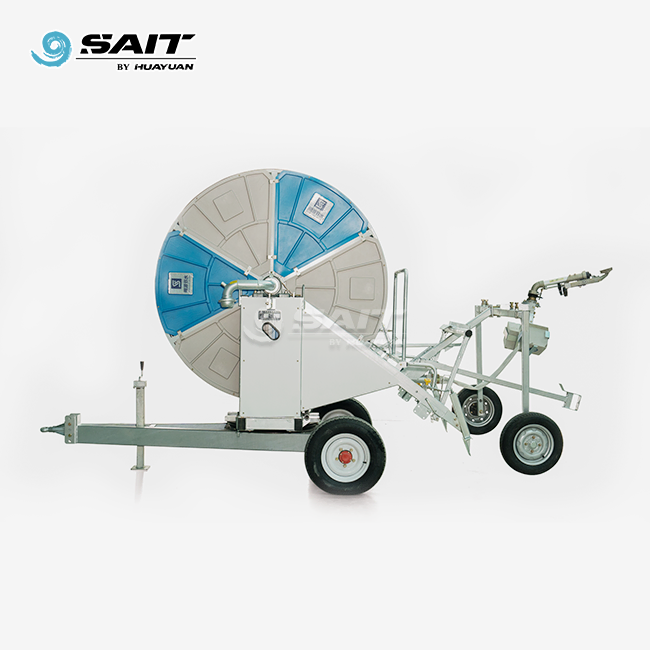
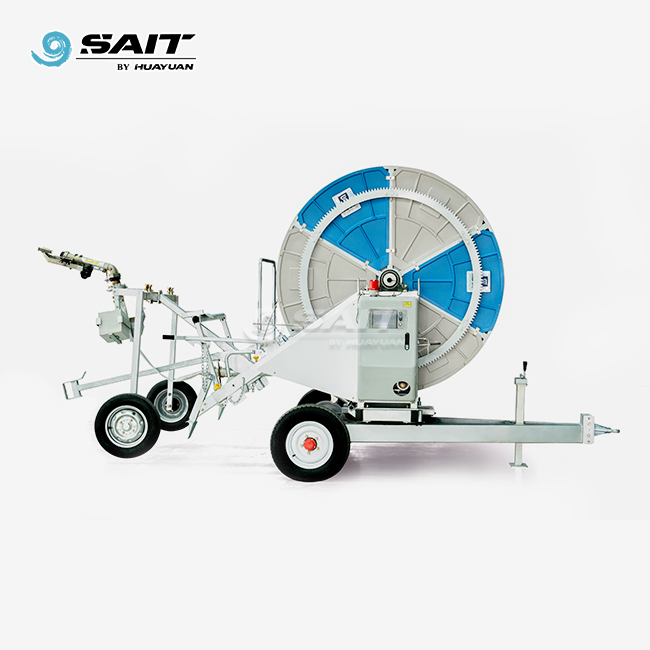
A single hose reel irrigator covering 1.33 ha per cycle requires careful length selection of the PU high-pressure tube. The JP-75/300 covers 300 meters of effective irrigation length, while the JP-75/500 extends to 500 meters. Choosing the wrong length means either under-coverage or unnecessary weight on the reel drum, both of which reduce operational efficiency on farms between 50 and 200 hectares.
Supplier Certification and OEM Capability
Procurement decisions for wholesale buyers and OEM clients should include ISO 9001 batch consistency records, CE certification documentation, and third-party test reports. Suppliers with in-house PE pipe extrusion capability — including UV-resistant and food-grade specifications — offer procurement flexibility that generic distributors cannot match. Lead times of 30–45 days for custom configurations are achievable from manufacturers with annual production capacities above 14,000 units.
Practical Maintenance Tips and Lifespan Optimization
It’s still crucial to use it correctly in the field to ensure the hose performs as it should, for as long as it should. If you do these actions consistently, you may be confident that the PE pipe of HUAYUAN SAIT's hose reel systems can last 15 years.
Inspection Schedule and Early Detection
Inspect the pipelines at the beginning of each irrigation season and after strong pressure surges. Look for surface fractures, oval warping at the fittings, or darkening where the metal bends. If you notice a minor crack early in the season where the fittings and hose connect, save yourself from buying a new hose and fittings.
Cleaning and Storage Protocols
Flush the hose with clean water after each watering to wash away the dirt and minerals that build up. Don't use cleaners based on aromatic solvents or ketones; they destroy the structure of the polyurethane. If the rolled lines are not in use for a long time, store them beneath a cover that prevents UV radiation. Don't stack heavy stuff on top of hose drums while they are wrapped. This gives flat regions that set tension for the following pressurisation.
Troubleshooting Repairable vs. Non-Repairable Defects
The wall thickness doesn't need to be precise, so mild OD wear and scratches on the surface are OK. If the fitting region is horizontally divided or bulges and is constantly ovalized, you need to acquire a new piece. If you kink a hose at an acute angle below the minimum bend radius, you may damage it after many pressure cycles. That’s how it is, even if the kink seems cured.
Procurement Guide: Where and How to Buy Polyether-Type PU Hoses?
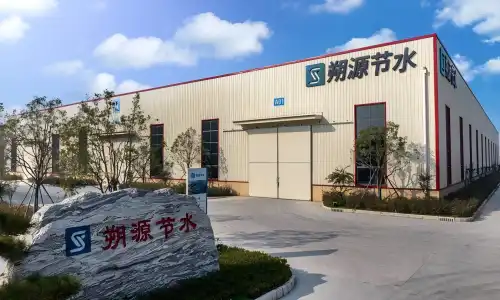
Finding a polyether-type PU hose manufacturer that combines technical competence with reliable supply chain performance narrows the field considerably.
Evaluating Suppliers: Certifications and Track Record
Please ask for the ISO 9001 certifications, CE declarations, and accelerated hydrolysis test results for the particular PE pipe compound used in hose reel applications. Suppliers with two decades of expertise in producing irrigation equipment have shown process discipline that the new entrants cannot match. Confirm that the facility manufactures its own PE pipes, rather than purchasing from third parties – self-made pipes with certified virgin-material inputs reduce the potential of recycled-material contamination that leads to premature field failures.
Pricing Structure and MOQ Considerations
If you are purchasing 10-50 units at wholesale, compare the cost per unit to the guarantee duration on the PE pipe. A 5-year guarantee at a cheaper unit price may in fact cost more in total replacements than an 8-year warranty at a 15% price premium. Don’t accept any bulk purchase agreement until you have a breakdown of the replacement parts price and cross-check availability.
OEM and Custom Specification Orders
Manufacturers with OEM/ODM infrastructure might be asked by agricultural equipment distributors and private label companies to provide specific PE pipe widths, lengths, UV-resistant material grades, and branded control panels. Market testing is often done with first orders of 3-5 units. Confirm NDA terms for proprietary turbine drive configurations and obtain batch consistency data from previous OEM manufacturing runs prior to committing to a full order volume.
Conclusion
Selecting a high-pressure polyether-type pu hose for irrigation or pneumatic use is not a single-variable decision. Material chemistry, pressure rating, pipe diameter, service temperature, supplier certification, and after-sales parts availability all carry weight. Polyether-type polyurethane tubing consistently outperforms polyester, PVC, and rubber alternatives in wet, high-cycle, and outdoor environments. Pairing the right hose specification with a manufacturer that holds proven production standards gives buyers the best path to long-term, low-maintenance field performance.
FAQ
Q1: What distinguishes polyether PU hose from polyester PU hose in irrigation applications?
Polyether PU hose resists moisture-driven chain degradation, making it stable under continuous water contact. Polyester variants absorb water into the polymer backbone, causing brittleness within 12–18 months of wet-environment use.
Q2: What inlet pressure range is appropriate for hose reel irrigation systems?
Typical hose reel irrigators operate between 0.3 and 1.2 MPa inlet pressure. The JP-90/400 model, for example, handles 0.3–1.2 MPa with a 90mm pipe diameter and flow rates up to 50 m³/h.
Q3: Can the hose be used year-round in cold climates?
Yes. Polyether PU tubing maintains flexibility down to -40°C, making it suitable for cold-climate agricultural and industrial applications where polyester or PVC alternatives would stiffen and crack.
Q4: What certifications should I request from a supplier?
Request ISO 9001 quality management records, CE declarations for European markets, and third-party accelerated hydrolysis test reports. SASO certification is required for Middle East projects.
Get a Custom Quote from HUAYUAN SAIT — Your Trusted Polyether-Type PU Hose Supplier
If you buy irrigation equipment from HUAYUAN SAIT, you can be sure that it will work for 20 years. They also offer free maintenance for three years and extra parts at factory prices for life. Our hose reel irrigators use less than half as much water, grow more than 1.33 ha each time, and have PE pipes that last more than 15 years. You can email our team at kevin@showyirrigation.com to talk about your needs for polyether-type pu hose, OEM needs, or bulk pricing:
References
1. Oertel, G. (Ed.). Polyurethane Handbook. Hanser Publishers, 1994.
2. Brydson, J. A. Plastics Materials (7th ed.). Butterworth-Heinemann, 1999.
3. American Society for Testing and Materials. ASTM D412: Standard Test Methods for Vulcanized Rubber and Thermoplastic Elastomers — Tension. ASTM International, 2021.
4. Food and Agriculture Organization of the United Nations. Irrigation Water Management: Irrigation Methods. FAO Irrigation and Drainage Paper No. 45, 1988.
5. International Organization for Standardization. ISO 9001:2015 Quality Management Systems — Requirements. ISO, 2015.
6. Hough, R. L., & Breeze, T. D. Advances in Polymer-Based Hydraulic and Pneumatic Tubing for Agricultural Applications. Biosystems Engineering, Vol. 198, 2020.
Get a tailored irrigation solution for your project — our engineering team is ready to support you from design to installation.