What field size is suitable for a 2-wheel E-Z Tow pivot?
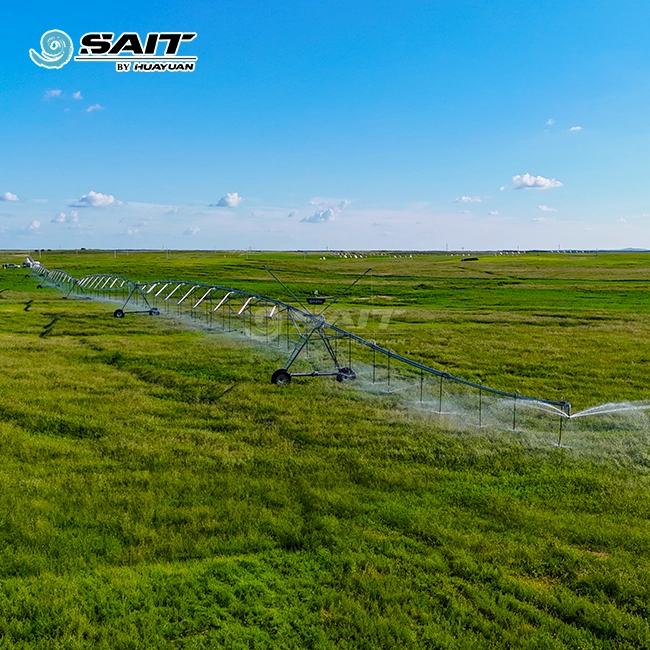
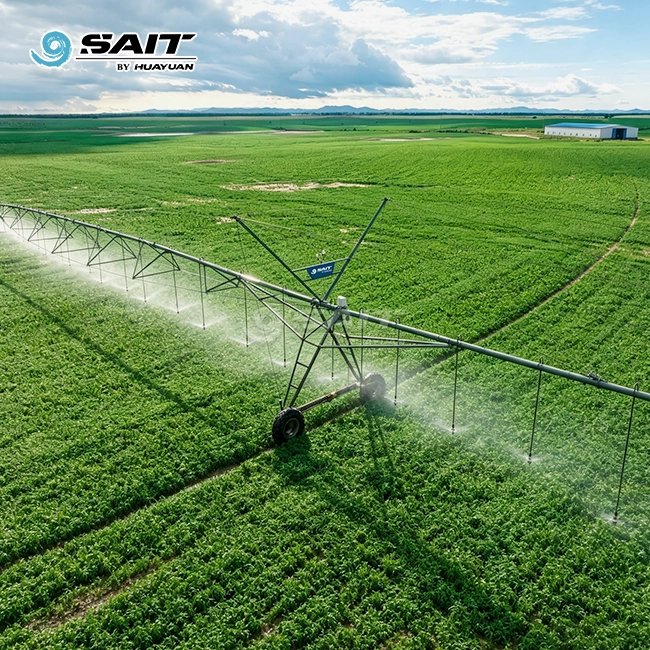
A 2-wheel E-Z tow pivot performs best on fields ranging from small plots of around 20 acres up to mid-scale operations of approximately 200 acres per deployment. Its maximum machine length reaches 305m for towable configurations, making it well-suited for rectangular, square, or moderately irregular parcels. Because the unit repositions in under 31 minutes by a standard tractor, one machine can rotate across multiple fields within a single workday, effectively expanding its productive coverage far beyond any single fixed-pivot installation.
Understanding the 2-Wheel E-Z Tow and Its Role in Pivot Irrigation
The towable center pivot doesn't get as much attention as it should when big farms talk about planning their irrigation. That quickly changes when procurement engineers see how the moving time works.
Core Design and Key Components
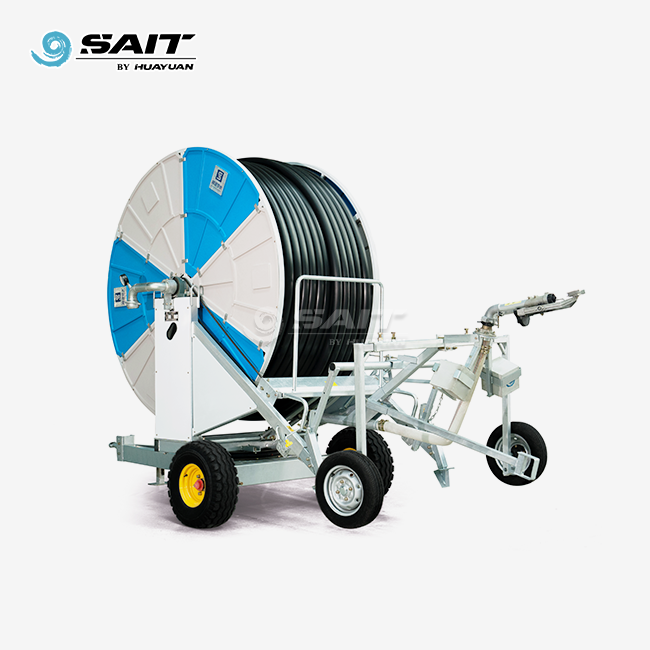
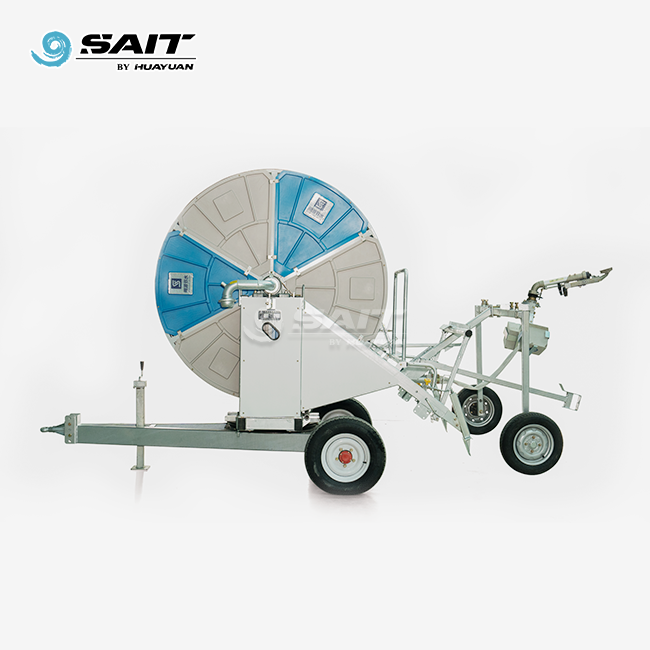
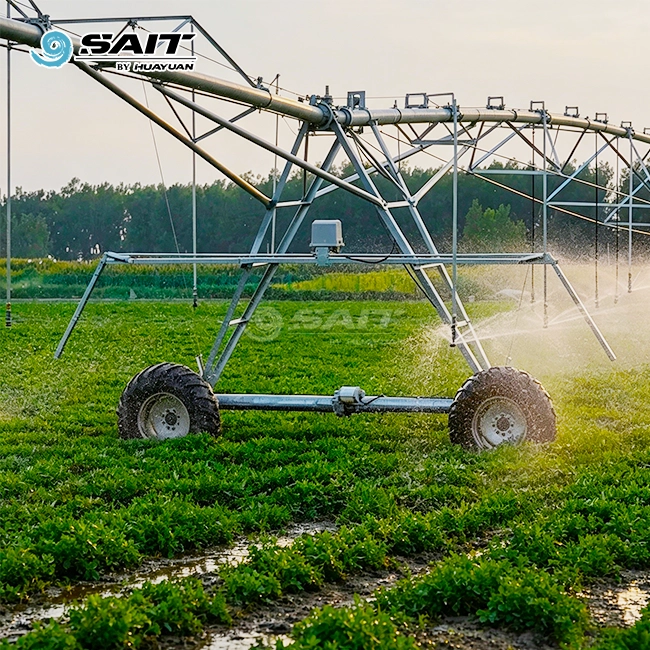
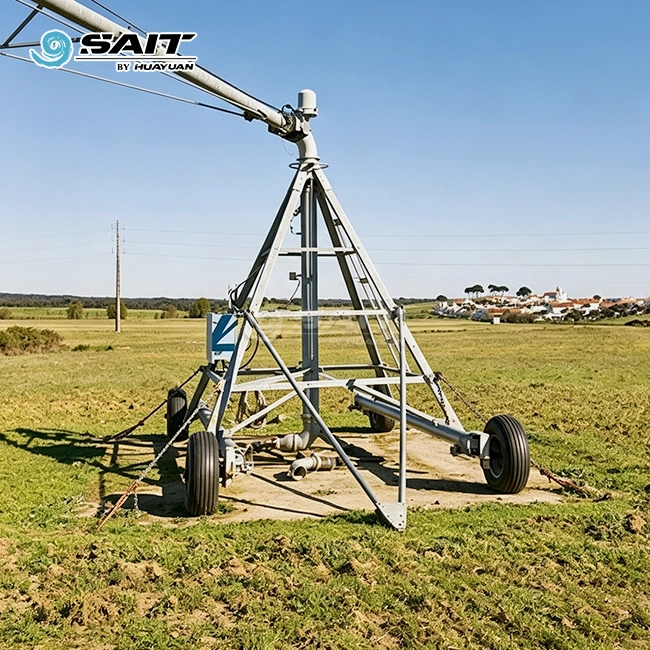
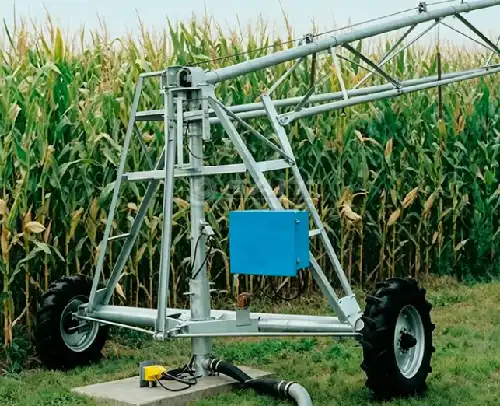
The 2-wheel E-Z tow pivot is made up of a reinforced towing frame, a central pivot point carrier, and a dual-axle wheel assembly that comes in sizes 11.2-24, 14.9-24, or 16.9-25 and can have tubes or no tubes. The hitch mechanism connects directly to a standard farm tractor. This lets the whole span assembly move along its own length without taking apart any of the structural parts. Pipe sizes of 127mm and 168mm can handle the different flow needs of row crops like cotton, soybeans, and corn.
Primary Operational Benefits
The fact that a 2-wheel E-Z tow is easier to move around saves money on capital. Instead of putting in different set systems on each parcel, one machine moves through several fields in a row. There are different design choices for span lengths between 37.5m and 66.5m, and both low-profile and standard-height spans can be used for crops at different stages of canopy development. Power delivery types like grid, diesel engine, or photovoltaic mean that you don't have to rely on fixed electrical infrastructure. This is very important for parcels that are far away or not connected to the grid.
Because it is so good for B2B procurement, this system stands out in the following ways:
- Rapid repositioning: The 2-wheel E-Z tow design lets the whole unit move in less than 31 minutes, which means that operators can work on two or three fields before noon without having to do any extra work.
- Hot-dip galvanized construction: An 80μm+ zinc covering made to HUAYUAN SAIT's production standard protects all structural steel from rust, wear, and water in temperatures from -20°C to 60°C.
- Flexible power architecture: The system works reliably even in places where the electricity supply isn't stable because it has grid power, an onboard diesel engine, and photovoltaic choices.
- Customizable control systems: You can choose from standard electrical panels or remote-access control systems. For SCADA compatibility, you can also integrate the SAIT smart platform.
These benefits solve the main problems that commercial farmers have when they have to manage irrigation across large areas of land that don't have a lot of permanent infrastructure.
Determining Suitable Field Sizes for 2-Wheel E-Z Tow Pivot Systems
Three factors affect field size compatibility: the pivot radius, the slope of the land, and the shape of the lot. If you get this setting right, you can avoid under-coverage and mechanical stress on the towing system.
Small-to-Medium Fields (Up to 80 Acres)
Longer span designs (37.5m–49.1m) usually go with fields that are 20–80 acres in size. Overhang lengths of 2.7m to 8.2m keep the edges of the field from touching the tower without putting it at risk. The simplest way to install is on rectangular plots with consistent soil bearing capacity. At this size, row crops like wheat and soybeans do well.
Medium-to-Large Fields (80–200 Acres)
At this size, span lengths between 54.9m and 66.5m are useful. If you choose the 2-wheel E-Z tow setup, the longest machine length of 305 meters can cover a pivot radius big enough for fields between 100 and 200 acres. Land with slopes of less than 8% is still safe for operations. Corner arm additions increase the watered area by up to 15% on square or irregular plots. This solves the problem of gaps in coverage that fixed pivots have in fields that aren't round.
For areas bigger than 200 acres that need constant covering, the four-wheel towable system with a max length of 457m and pipe diameters up to 219mm is a better choice. When looking at big projects that cover more than 300 acres, procurement teams should decide whether the four-wheel platform or a mix of several units works better with their farming schedule.
Installation and Operational Tips for Optimizing Performance
Pre-installation site survey for a Two-wheel transport pivot cuts down on delays in starting by a large amount. Before delivery, you should make sure that the soil's bearing capacity, the field gradient mapping, and the water source pressure are all correct. As part of its standard service package, HUAYUAN SAIT offers on-site installation supervision. This takes away the need to guess, which is often what leads to misaligned spans during the first deployment.
Speed Management and Turning Protocols
To keep the wheel bearings and the pivot carrier frame safe, the tow speed should stay below 5 km/h on uneven field access roads. For turns at field headlands, you need a minimum clearance radius that is based on the length of the whole span that is being used. Before connecting the water supply, operators should do a test run to make sure there is enough room at all the turning points. With remote control systems, you can change the speed percentage from the edge of the field, so the tower doesn't have to be there to help with operations as much.
Comparison: 2-Wheel E-Z Tow vs. Alternative Towing Solutions
The four-wheel towable system can cover more ground in a single deployment cycle and is better for operations with fields bigger than 300 acres. However, because it has a bigger footprint, it needs wider headlands and stronger tow equipment. The single-span system is easy to tow and has a maximum machine length of 85m and span lengths of up to 66.5m. It is best for smaller parcels and is the most maneuverable choice for uneven plots or showcase deployments.
The useful middle ground is the Two-wheel transport pivot, the 2-wheel E-Z tow design, which is more mobile than a fixed pivot and more scalable than a single-span unit. It's also more affordable for businesses that need to water three to six different parcels of land during a season. The cost per hectare of land that is irrigated goes down by a lot when one machine works on multiple fields instead of just sitting there between crop cycles. When wholesalers are building their product lines, having both 2-wheel E-Z tow and four-wheel versions in stock meets the needs of all business clients.
Maintenance, Safety, and Support Services
Four things should be checked and fixed regularly on a towable pivot: the pressure and stability of the tires' tread, the lubrication of the wheel bearings, the galvanized coating at the weld points, and the electrical links to the drive motor. HUAYUAN SAIT's after-sales program includes a full guarantee for one year, low-cost part replacements for three years, and lifetime access to spare parts at the factory cost price. This directly answers the worry that many foreign dealers have about the availability of spare parts.
Safety rules for operators say that no one can stand in the sweep radius while the machine is moving, and the tractor operator has to check the state of the span lock before starting the tow. For projects in places where temperatures change a lot, the SAIT system's operating envelope of -20°C to 60°C eliminates the risk of yearly shutdowns in most growing zones around the world.
Conclusion
It is important to match the right towable pivot setup to the right field size. This is not an afterthought; it is a cost and agronomic efficiency choice. The 2-wheel E-Z tow pivot can cover fields from about 20 to 200 acres reliably, move quickly, and have span lengths that can be set anywhere from 37.5m to 66.5m. It is made of hot-dip galvanized steel, has a variety of power choices, and comes with a strong after-sales service. This makes it a long-lasting investment for business owners, government buying programs, and EPC contractors who want a proven, scalable irrigation system.
FAQ
Q1: What is the maximum field size a standard two-wheel towable pivot can cover?
With a maximum length of 305 meters, the 2-wheel E-Z tow configuration can effectively water up to 200 acres of land at a time. For bigger goods, the four-wheel towable system with a maximum length of 457m covers more ground.
Q2: Can the system operate on sloping terrain?
Yes. Levels of up to an 8% gradient are normal for normal operations. For steeper terrain, an engineering assessment of the site must be done before deployment.
Q3: How long does relocation between fields actually take?
The whole unit can be moved along its length in less than 31 minutes with a regular farm tractor. Two to three field moves can be done in a normal workday by operators who are in charge of multiple parcels.
Q4: What power supply options are available?
The unit works with grid power, diesel generators, and photovoltaic systems, so it can be used in off-grid areas that are common in Africa, Central Asia, and rural North America.
Request a Custom Configuration from HUAYUAN SAIT
Huayuan Sait has been making products for 20 years and has over 130 filed patents that back up their field-tested watering solutions. We are a reliable 2-wheel E-Z tow provider, and we can handle test orders from a single unit all the way up to full OEM customization. To get a project quote that fits your land and crop needs, email our technical team at kevin@showyirrigation.com.
References
1. Food and Agriculture Organization of the United Nations. Irrigation Water Management: Irrigation Methods. FAO Agricultural Services Bulletin, 2021.
2. American Society of Agricultural and Biological Engineers. ASABE Standards: Design and Installation of Microirrigation Systems. ASABE, 2020.
3. University of Nebraska–Lincoln Extension. Center Pivot Irrigation Handbook. EC3017, Institute of Agriculture and Natural Resources, 2019.
4. Keller, J., & Bliesner, R.D. Sprinkle and Trickle Irrigation. Van Nostrand Reinhold, 1990. Reprinted by Blackburn Press, 2000.
5. Camp, C.R., Sadler, E.J., & Yoder, R.E. Evapotranspiration and Irrigation Scheduling. American Society of Agricultural Engineers, 1996.
6. Irrigation Association. Landscape and Agricultural Irrigation Best Management Practices. Irrigation Association, 2022.
Get a tailored irrigation solution for your project — our engineering team is ready to support you from design to installation.