Best travelling irrigator models for small farms
If you manage a small farm and wonder which travelling irrigator fits your operation best, you are not alone. A travelling irrigator is a self-propelled irrigation machine that moves across a field while dispensing water through a rotating spray gun or boom, covering large areas without permanent pipe networks. For farms between 50 and 200 hectares, this type of equipment offers a practical balance of coverage, water savings, and portability. This guide breaks down the top models, compares drive options, and walks you through a clear procurement path.
Understanding Travelling Irrigators for Small Farms
Before comparing models, it helps to understand how these machines operate and why they perform well on smaller properties.
How the System Works
A hose reel traveler irrigator stores a high-density polyethylene (PE) pipe on a drum. High-pressure water enters through the inlet, powers a water turbine or electric motor, and the drum retracts the pipe at a controlled speed. The spray gun mounted on the carriage applies water uniformly across a wide swath as the machine pulls itself back toward the reel.
Why Water Pressure Matters
Inlet pressure directly controls retraction speed and spray quality. Most turbine-driven models require between 0.3 and 1.2 MPa at the inlet. Getting pressure right means consistent droplet size, predictable coverage, and no dry patches. Under-pressurizing the system is the single most common cause of uneven irrigation on small farms.
Coverage Capacity for Small Properties
A single hose reel unit can cover more than 1.33 hectares per irrigation cycle. With PE pipe lengths ranging from 300 to 500 meters, even irregularly shaped paddocks receive complete coverage from a travelling sprinkler without repositioning multiple fixed sprinkler heads.
Top Travelling Irrigator Models Ideal for Small Farms


These hose reel traveler irrigators from HUAYUAN SAIT are designed to meet the needs of small to medium-sized farms. Here's how each model works in real life.
JP-75 Series (300 m / 400 m / 500 m)
The JP-75/300, JP-75/400, and JP-75/500 all have a 75 mm PE pipe width and can water plants for 300, 400, and 500 meters, respectively. All three work with nozzles that have a width of 16 to 22 mm, a pressure of 0.25 to 0.5 MPa, and a spray flow rate of 15.5 to 34.3 m³/h. Travel speed can be set between 8 and 60 m/h, which gives workers full control over the depth of the application. Each pass of the irrigation width is between 47 and 74 meters. These models work well for farms that grow specific crops or vegetables where accuracy is very important.
JP-90/300
With the JP-90/300, you can get a 90 mm PE pipe that is 300 meters long. The sprinkler's flow rate can reach 17.2–48.4 m³/h, and the nozzles can be 18–24 mm in diameter. With a flow rate of more than 8 mm/h, the flexible inlet pressure ranges from 0.5 to 1.0 MPa. The speed goes up to 80 m/h. This plan is good for farming service contractors who need to quickly visit several farms for clients in a single day.
JP-90/400
The JP-90/400 has the most useful operating range of all the models. The flow rate ranges from 10 to 50 m³/h, and the nozzles are 14 to 28 mm in diameter. This means that it can be used for both light turf irrigation and heavy-duty field watering. With a pressure range of 0.3 to 1.2 MPa, the inlet pressure tolerance works with varying pump outputs that are typical on rental fleets. This model is the most flexible starting point for people who work with sports fields and landscaping.
The five models in the JP series can all spray up to 46 meters away and work with both single-gun sprinkler carriages and multi-sprinkler boom configurations. The water turbine drive doesn't need an outside power source, which makes it really easy to set up off the grid. The average service life of a machine is more than 10 years, and the self-produced fresh PE pipe has a grade of more than 15 years.
Comparing Travelling Irrigators to Alternative Irrigation Solutions
The cost of capital, the need for labor, and the flexibility of the field all play a role in choosing an irrigation method.
Hose Reel vs. Drip Irrigation
Drip systems are very good at getting water to the roots, but they need fixed pipe networks, regular emitter cleaning, and a lot of work to set up. A trip hose reel can be moved to where water is needed, is easier to set up, and covers a lot more ground per unit. Drip systems fix infrastructure in one place, which might not work with next season's growing plans on farms where crops are rotated.
Hose Reel vs. Center Pivot
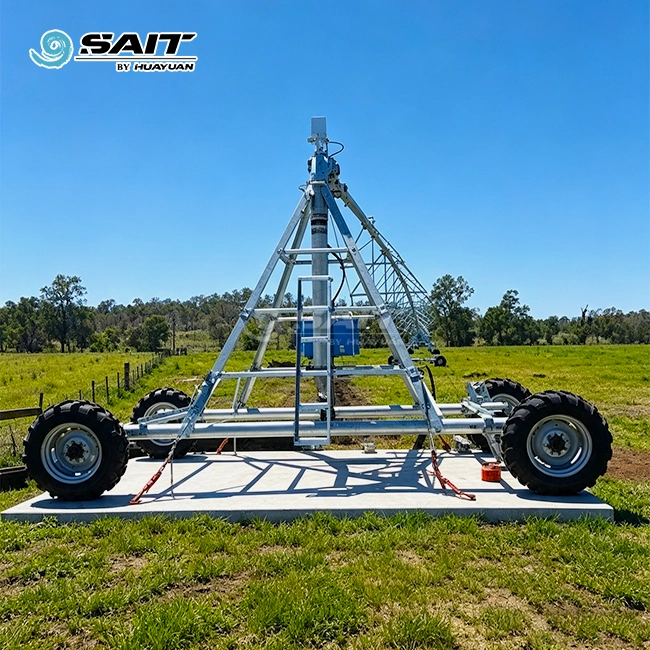
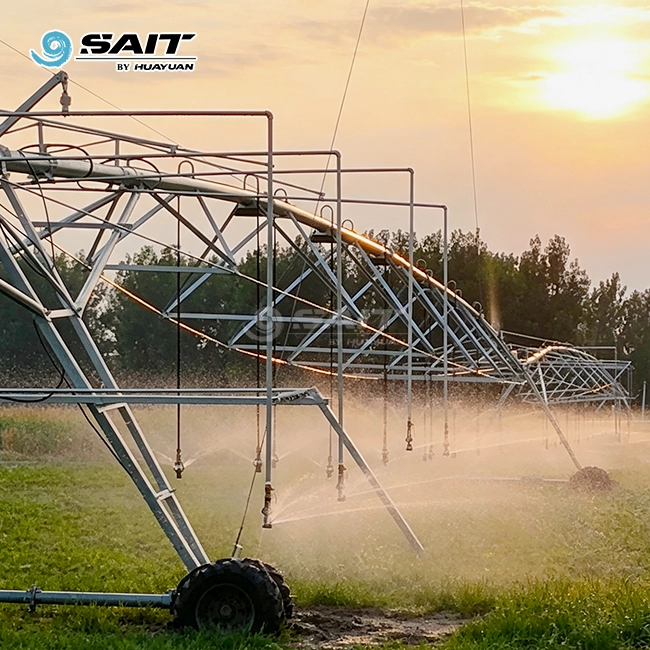
Center pivots work best on big, circular fields, but they are pricey to buy and can't be moved once they're set up. For farms smaller than 200 hectares with uneven borders, a hose reel traveler or travelling irrigator gives the same coverage without the need to invest in infrastructure. A center pivot stays in one place all year, but a JP-series unit can work in more than one field in a week.
Hose Reel vs. Solid-Set Sprinklers
Solid-set sprinkler systems need a lot of pipes and valves buried underground. They're convenient, but you can't take them with you. Hose reel traveler systems provide similar uniformity, use less water because they atomize droplets more finely, and can be moved from farm to farm or rented out to other growers when the season is over. This is an advantage that directly supports rental and leasing business models.
Maintenance and Operational Tips for Travelling Irrigators
A hose reel system that is well taken care of will work reliably for more than ten years. These habits keep that cash safe.
Routine Hose and Nozzle Inspection
Every 50 hours of use, check the PE pipe for surface wear. Check the spray gun's nozzle for signs of wear that change the spray circle. HUAYUAN SAIT's own-made fresh PE pipe is thicker than other options on the market and doesn't contain any recycled material. This makes it much less likely that the drum contact point will crack due to stress.
Pressure Calibration and Speed Setting
Check the entrance pressure against the model's range before each season. Keep the pressure for the JP-75 series between 0.5 and 1.1 MPa. Change the speed of travel to match the amount you want to apply—slower travel applies more water per square meter. The turbine has a 4-speed gearbox that lets operators fine-tune the speed of retraction without having to shut down the system.
Seasonal Storage Protocols
To keep the PE pipe from freezing, drain it all the way when the irrigation season is over. If you can, store the reel under a cover. Lightly oil any metal joints that are going to be seen. The hot-dip galvanized coating on HUAYUAN SAIT is over 80 μm thick, which gives it strong rust resistance. But if you store it properly, that protection will last for several winters.
Procurement Guide: How to Buy the Best Travelling Irrigator for Your Small Farm
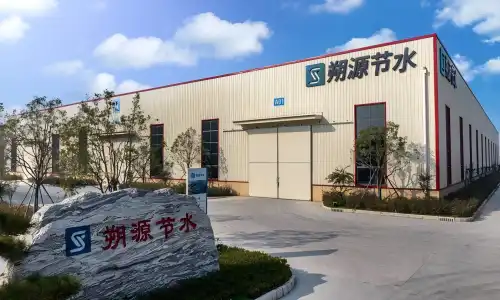
There's more to buying irrigation equipment across borders than just looking at specs.
Matching Model to Farm Scale
Make a map of your field's measurements before you choose a pipe length for your travelling sprinkler. Even if the spray widths are the same, a 300-meter pipe has a different operational footprint than a 500-meter pipe. The JP-90/400's wide pressure tolerance means that service contractors who take care of farms for multiple clients don't have to set up different pump configurations for each site.
Evaluating Supplier Credentials
Ask for proof of ISO 9001 certification and records of batch consistency. HUAYUAN SAIT has more than 130 patents, including 35 invention patents and 15 international patents. They use an ISO 9001 quality system and can handle both OEM and ODM orders. You can get third-party test certificates, like CE and ISO, if you ask for them.
After-Sales Support and Parts Availability
Many B2B buyers decide what to buy based on how easily they can get replacement parts. HUAYUAN SAIT provides a full guarantee for one year, low-cost upkeep and part repair for three years, and spare parts at the factory cost price for life. With a facility near Xuzhou, Jiangsu, that can make 14,000 hose reel units a year and a delivery lead time of one week, order fulfillment is always reliable.
Conclusion
For small farms between 50 and 200 hectares, a hose reel traveler irrigator or travelling irrigator is the best way to get coverage, portability, and water efficiency without having to build permanent infrastructure. The HUAYUAN SAIT JP-series models can effectively water areas up to 500 meters away. Compared to traditional spray guns, they save over 50% of water and have PE pipe that is rated for more than 15 years of use. For off-grid areas, you can use a turbine-driven unit. For sports turf, a wider boom setup is best. This range has a model for every need.
FAQ
Q1: What is the minimum pressure needed to run a hose reel traveler irrigator?
For the retraction mechanism to work right, most turbine-driven models need at least 0.3 MPa at the inlet. The JP-90/400 can work with as little as 0.3 MPa of pressure, but the JP-75/500 needs at least 0.6 MPa. Always make sure that the output of your pump matches the input pressure range given by the model.
Q2: How much area can one unit irrigate per cycle?
Depending on the length of the pipe and the width of the spray, a single hose reel irrigator can water more than 1.33 hectares in a single cycle. The JP-75/500 has the most single-pass coverage in the JP line, with a pipe length of 500 meters and a watering width of 74 meters.
Q3: How long does the PE pipe last?
With the right UV protection and winterization, the self-made pure PE pipe used in HUAYUAN SAIT equipment can last more than 15 years, which is longer than most other options on the market that are made from a mix of reclaimed materials.
Q4: Can these machines handle irregular field shapes?
Yes. This type of hose reel traveler works well on rough paddocks because the carriage follows the path of the pipe instead of a fixed track. HUAYUAN SAIT also has a Corner Arm System that can be used on square or corner-heavy fields and adds 15% to the area that can be irrigated.
Connect with HUAYUAN SAIT for Your Travelling Irrigator Needs
HUAYUAN SAIT sells traveling irrigator equipment, including travelling irrigator models, and has been in business for 20 years. They are ISO 9001 certified and offer a one-week shipping window. You can buy our JP-series hose reel traveler irrigators in bulk, as an original equipment manufacturer (OEM), or for your hire fleet. We also offer full after-sales service. To get details, prices, or a rate for a custom setup, email our team at kevin@showyirrigation.com.
References
1. Food and Agriculture Organization of the United Nations. Irrigation Water Management: Irrigation Methods. FAO, 2020.
2. Shock, C. C., & Wang, F. X. "Soil Water Tension, a Powerful Measurement for Production and Research." HortScience, 2011.
3. Playán, E., & Mateos, L. "Modernization and Optimization of Irrigation Systems to Increase Water Productivity." Agricultural Water Management, 2006.
4. Burt, C. M., et al. "Irrigation Performance Measures: Efficiency and Uniformity." Journal of Irrigation and Drainage Engineering, ASCE, 1997.
5. International Commission on Irrigation and Drainage (ICID). Guidelines for the Design and Evaluation of Irrigation and Drainage Projects. ICID, 2019.
6. Nakayama, F. S., & Bucks, D. A. Trickle Irrigation for Crop Production: Design, Operation, and Management. Elsevier, 1986.
Get a tailored irrigation solution for your project — our engineering team is ready to support you from design to installation.