How do travelling irrigators work
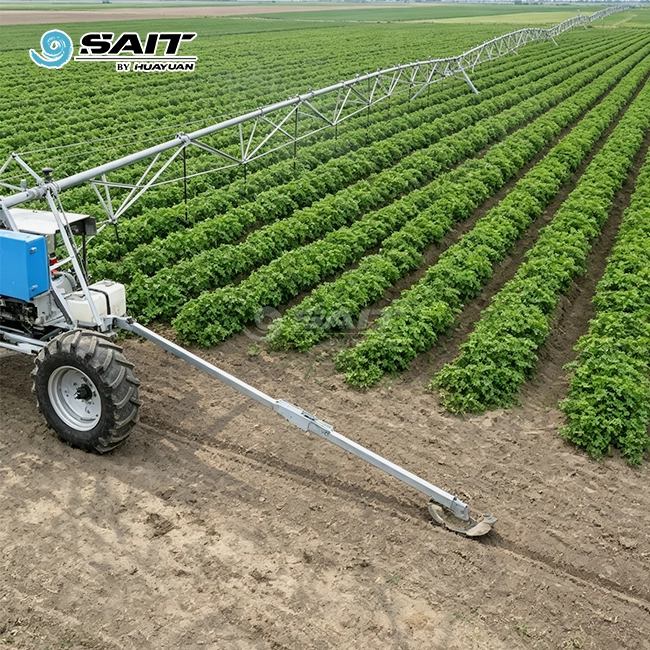
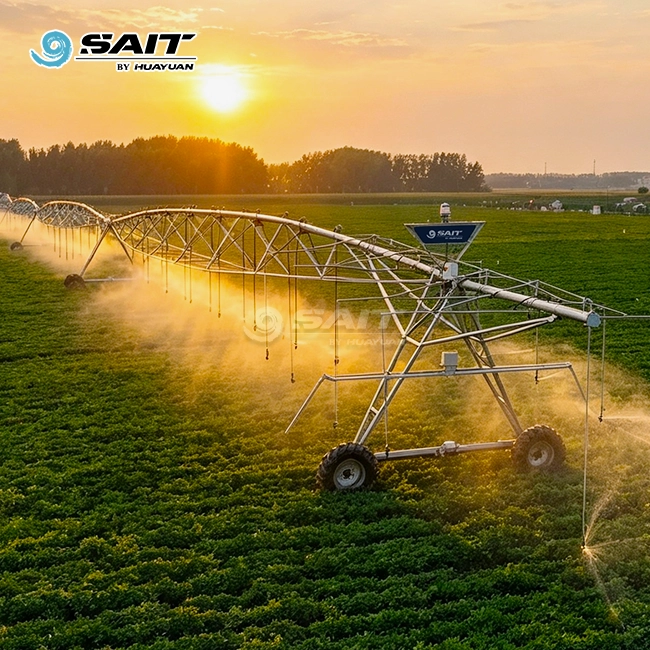
A travelling irrigator is a mechanized irrigation system that moves systematically across fields, delivering water through a sprinkler or boom assembly while automatically retracting a flexible hose. Water flows under pressure through a durable PE pipe connected to a mobile carriage equipped with spray nozzles. The system operates via a water turbine, electric motor, or mechanical drive that powers the retraction mechanism, pulling the carriage along a predetermined path while dispersing water evenly across crops. This automated approach eliminates manual labor associated with pipe shifting and ensures consistent moisture application across large agricultural areas.
What Is a Travelling Irrigator and How Does It Work?
Understanding how these systems work helps procurement professionals make smart decisions about what to buy. The main mechanism depends on controlled water flow that drives the moving system and waters the plants.
Core Components and Their Functions
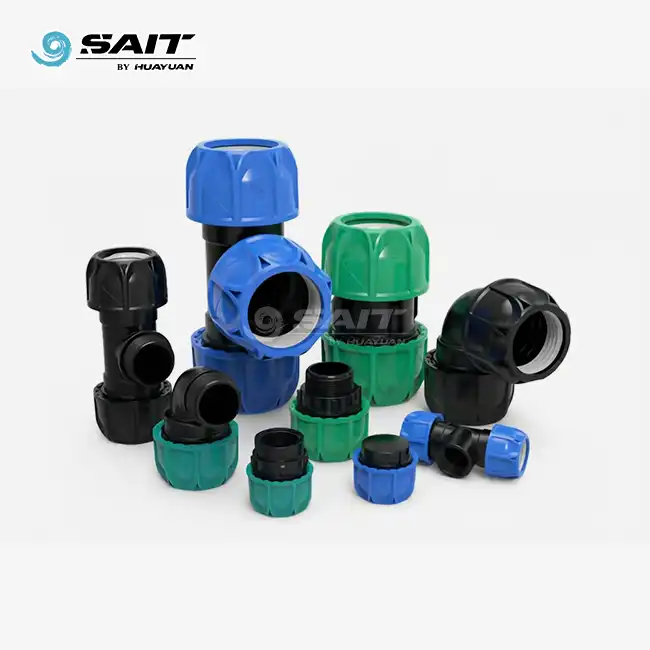
A Travelling Irrigator's heart is made up of several parts that fit together and work together. A fixed reel drum holds twisted PE pipe that is usually between 300 and 500 meters long and 75 mm to 90 mm wide. When pressurized water comes into the system, it flows through this pipe and to a sprinkler carriage that is moving at the far end of the field. Depending on the model and settings, the water pressure turns an internal turbine that slowly spins the hose back onto the drum. This moves the sprinkler cart across the field at controlled speeds of 8 to 80 meters per hour.
Water Distribution Technology
Modern systems are regular because the nozzles that break water into tiny drops are precise. In certain configurations, these spray cannons may span 78 meters with tip pressures of 0.25 to 0.6 MPa. Adjustable travel speed affects irrigation depth. Slower movement uses more water per square meter than faster movement. This lets farmers adjust watering based on crop needs, soil health, and weather. Usually, application rates exceed 7–8 mm/h. This ensures water flows without running off or pooling.
Drive System Variations
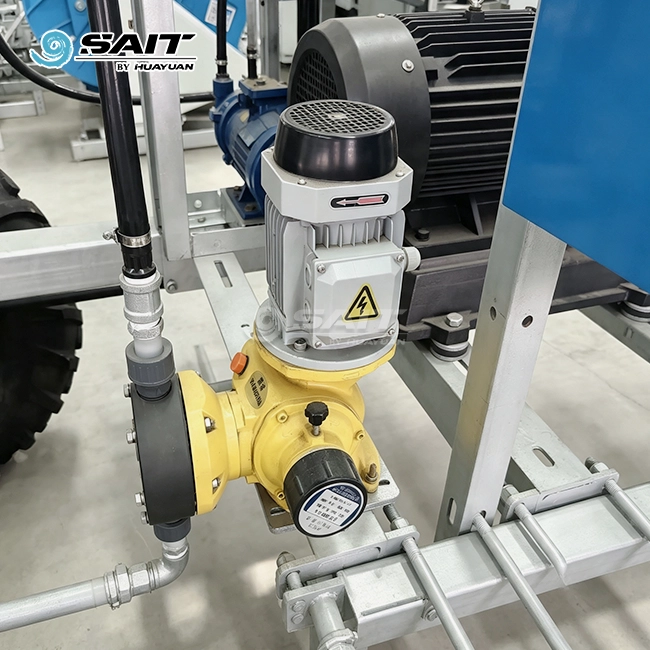
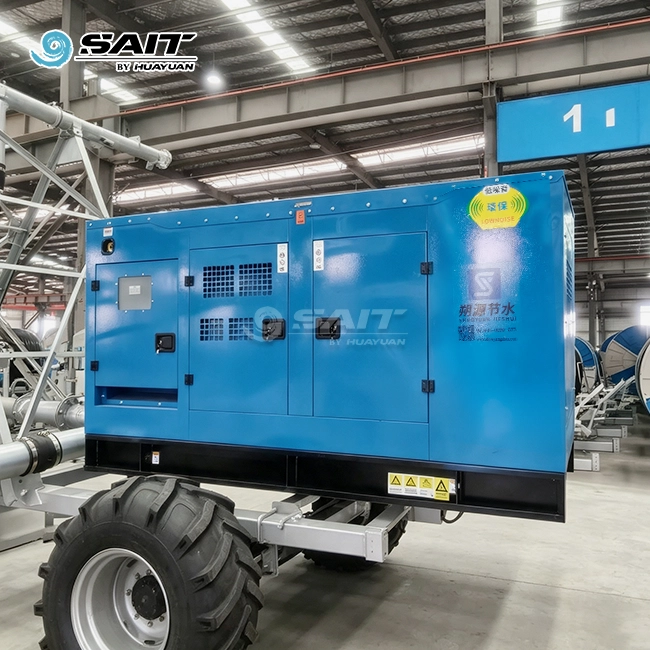
Three major driving systems perform various functions. Water turbine drivers run on irrigation stream hydraulics. They're ideal for places without electricity. These systems work well at low flow rates and feature steady retractions. Because of their precise speed control and quiet operation, electric motor drives are ideal for uses near homes or with noise limits. Simple gearing systems powered by the flow of water make mechanical drives the most cost-effective choice for businesses that want to stay within their budgets. In each setup, both single-gun sprinkler carts and multi-nozzle boom units can be used. Boom systems provide better coverage and less wind drift.
Benefits of Using Travelling Irrigators in B2B Agriculture
These systems have measured benefits that have a direct effect on how well operations run and how well the business does financially. In a time when resources are becoming more scarce, saving water may be the most important thing that can be done. Modern hose reel systems save more than half as much water as flood irrigation methods because they spread the water evenly and control how much is applied. The fine liquid atomization cuts down on water loss through evaporation and ensures deep soil entry, making the most of every cubic meter that is used.
Another big benefit is that labor costs are going down. With traditional irrigation methods, team members have to move lines, change sprinklers, and check on coverage by hand, all of which take a lot of time during the growing season. Automated Travelling Irrigator systems get rid of these boring jobs, so one person can control many units spread out over a large area. The strong construction, which includes hot-dip galvanized steel parts with coating thicknesses topping 80 µm, means that it doesn't need much maintenance even in tough outdoor settings.
For business operations, the return on investment timeline looks good. Most pieces of equipment last longer than 10 years, and if they are properly kept, high-quality PE lines can last longer than 15 years. Because they last longer and use less water and energy, they usually pay for themselves in three to five years for medium- to large-sized businesses. The value proposition is even higher when the same equipment can be used for different types of crops, field shapes, and terrain. Vegetables, specialty crops, pastures, and sports fields can all be watered by systems that work well with slopes and irregular boundaries that make fixed irrigation infrastructure difficult to use.
Travelling Irrigators vs. Other Irrigation Systems: A Comparative Overview
To choose the right irrigation technology, you need to know how the different methods fit the needs of your business. Center pivot devices work best in fields that are all the same shape because they cover a lot of ground with little work. But their set infrastructure makes them less flexible and leaves large areas in corners that aren't watered. Drip irrigation is the most efficient way to water row crops and trees, but it costs a lot to set up and needs to be maintained regularly to keep the emitters from getting clogged. Linear move systems cover an area in a rectangular shape, which works well in some field shapes but needs flat ground and costs more to buy.
Performance Comparison Across Key Metrics
Travelling Irrigators are a good compromise between cost, performance, and freedom of use. Standard models can cover up to 1.33 hectares per irrigation cycle, while extended-length models can cover up to several hectares. Coefficients of consistency show that water usage efficiency usually goes over 90% when set up correctly, which is similar to the performance of a drip system but much easier to install. Because it is portable, it doesn't need any fixed infrastructure. This means that equipment can be moved between areas or switched to different crops during different times of the year.
Compared to other options, installation is still surprisingly easy. For a simple setup, all you need is an open area and a way to link to a water source. There shouldn't be any underground pipes, electrical trenches, or concrete pads. This makes rollout quick; it's usually done in just one day, which includes checking the system. It works with almost all crops because the spray patterns, droplet sizes, and application rates can be changed to work with delicate veggies, tough field crops, or established grass. The ability to change configurations works in a variety of farming situations that would need more than one specialized system otherwise.
Market Positioning and Value Proposition
In Europe, the Travelling Irrigator market is dominated by well-known names like Irrimec, Ocmis, and Bauer, which control most of the market share. Their high-end products usually cost 20–30% more than those made by newer companies. These older systems put a lot of emphasis on good tech and large dealer networks, but parts may be hard to find in some places. Agricultural workers and medium-sized farmers are looking more and more at options that offer similar performance at better prices. Instead of just looking at brand history, quality indicators look at things like PE pipe specifications, turbine efficiency ratings, warranty coverage length, and the infrastructure for after-sales support.
Installation, Maintenance, and Best Practices for Travelling Irrigators
When something is installed correctly, it sets the stage for effective long-term success. Finding a good water source that can provide the needed pressure and flow rates is the first step in getting the site ready. Depending on the type, the usual inlet pressure ranges from 0.5 to 1.2 MPa. The reel system needs to be placed level and stable, with enough room for winding and unwinding the pipe. When setting up the hose for the first time, it's important to pay close attention to make sure it tracks straight and there are no objects that could catch or damage the pipe during retracting cycles.
As part of system commissioning, connections are tested for leaks, and the turbines are calibrated to reach the desired travel speeds. Operators should do initial test runs without crops to make sure that the water is distributed evenly and to make any nozzle changes that are needed. Keeping records of the initial settings, such as journey speed, nozzle setups, and pressure readings, helps with debugging and making changes for the seasons. Professional installation help, which comes with a lot of systems, speeds up this process and makes sure that the system is set up correctly from the start.
Maintenance Protocols for Extended Equipment Life
Scheduling regular inspections keeps small problems from getting worse and turning into expensive failures. During busy irrigation seasons, PE pipes should be checked once a week for wear, kinks, or UV damage. Inspections of the turbine gearbox once a month make sure that the right amount of oil is in it and look for odd wear patterns that could mean the gearbox isn't aligned properly. Sprinkler nozzles need to be cleaned every so often to get rid of mineral layers that change the way the sprays. How often they need to be cleaned depends on the quality of the water. Self-produced virgin PE pipes used in quality systems are more resistant to cracking and aging than recycling options. However, pipes still need to be replaced every so often as they reach the end of their useful lives.
End-of-season winterization keeps equipment safe when it's not in use. In cold places, freezing can damage lines and rotor housings. To avoid this, drain all the water out of them. Putting reels under cover protects the parts from the weather, and keeping lines out of direct sunlight for long periods of time makes them last longer. Before being sent out into the field, spring recommissioning should include lubricating the bearings, tightening all the fasteners, and testing the spring's full pressure. Keeping an organized collection of extra parts, especially for things that wear out quickly, like nozzles, seals, and drive gears, cuts down on downtime during busy irrigation times.
Procurement Guide: Where and How to Buy Travelling Irrigators?
The total cost of ownership over the lifecycle of a Travelling Irrigator is taken into account when making sourcing decisions, not just the initial purchase price. Reliable makers have production capacities that can be checked, quality certifications that they follow, and long lists of satisfied customers. With factory-direct relationships, you don't have to pay markups to distributors, and you can get technical help and make changes right away. Buyers should check the company's qualifications, such as ISO 9001 quality systems, patent portfolios that show real innovation, and third-party testing papers that back up performance promises.
Evaluating Technical Specifications and Customization Options
Most agricultural needs are covered by standard model ranges, and series like the JP-75 and JP-90 offer graduated capacity options. The JP-75/300, JP-75/500, and JP-75/600 models all have 75 mm diameter PE lines that span 300 to 500 meters and give flow rates of 15.5 to 34.3 cubic meters per hour across irrigation widths of 47 to 74 meters. The JP-90 line can handle bigger amounts of water. For example, the JP-90/400 can handle up to 50 cubic meters of water per hour and cover lengths of up to 78 meters. Matching the size of the tools to the size of the field and the amount of water the crops need keeps costs down and ensures good performance.
Custom configurations are used to meet specific needs that standard models can't fully meet. OEM partnerships let distributors build their own regional brands through private labeling, and ODM services make changes that are specific to an application. There are many ways to customize this machine. You can choose the type of PE pipe (UV-resistant or food-grade for organic farming), the width of the boom and the number of nozzles for different types of crops, the type of drive system that works with your power system, and the language of the control panel. Premium custom specs usually mean price rises of 10 to 25 percent, but they provide solutions that are perfectly matched to each operating situation.
Pricing Considerations and Purchase Structures
When prices are competitive, you need to look at more than just the headline purchase costs. Basic mechanical drive systems cost between $8,000 and $12,000 per unit for 300-meter designs. More advanced turbine models with longer pipe lengths and boom sections cost between $15,000 and $25,000. European legacy names usually charge 30–40% more than newer companies that make products with the same technology specs. When 10 to 50 units are bought in bulk, 8 to 15 percent discounts are common. This makes buying in bulk appealing for contractors and companies that rent out equipment.
Infrastructure for after-sales service has a direct effect on long-term customer happiness and the ability to keep operations running. Support packages that cover everything should include on-site installation help, training for operators, guarantee coverage, repair service access, and promises to supply spare parts. Standard warranty terms that cover everything for one year and include low-cost upkeep plans for an extra two to three years protect against early breakdowns and keep long-term costs low. Concerns about obsolescence that come with some foreign equipment can be avoided by making sure that extra parts are always available at clear cost-plus prices. Responding quickly to technical help requests (in hours instead of days) is very important during peak watering seasons, when downtime directly threatens crop yields.
Conclusion
Travelling Irrigators are tried-and-true technology that solves real problems in agriculture by delivering water automatically, which saves resources and cuts down on labor needs. The water turbine drive system works reliably at low flow rates, and the exact watering levels can be controlled by the speed at which the blades retract. Over 50% less water is used by modern systems than by old ones, and they cover more than 1.33 hectares per cycle. Hot-dip galvanized parts and new PE pipes make the building very durable. The service life is over 10 years, which is great for medium-sized farms, farming contractors, and turf managers who want to get a good return on their investment. It's important to make sure that technical specs are right for the job, that you look at the total cost of ownership in addition to the initial price, and that you work with makers who offer full installation support and long-term parts availability.
FAQ
Q1: What minimum water pressure does a travelling irrigator require?
Depending on the pipe's diameter and length, most turbine-driven types work well with inlet pressures between 0.5 and 1.2 MPa. The JP-75 series works consistently at pressures between 0.5 and 1.1 MPa, while the JP-90/400 can handle pressures as low as 0.3 MPa. As long as the pressure is right, the turbine will work properly and the spray will reach the distance that was specified. For best droplet atomization, the pressure at the tip should stay between 0.25 and 0.6 MPa.
Q2: How do I prevent hose tracking problems during operation?
A good initial setup can avoid most tracking problems. Before you start watering, make sure the reel is level and on stable ground. Then, pull the hose out in a straight line while applying a little force. Stay away from things that could get in the way and keep the water flow steady throughout the process. When placed correctly, high-quality equipment has drums that are perfectly balanced and blades that are the right size and shape to automatically track straight.
Q3: Can these systems irrigate sloped or irregular terrain?
Modern plans do take into account modest slopes and uneven fields. When compared to single-gun systems, boom designs make it so that droplets travel less straight, which makes them less affected by wind drift and slope effects. Changing the travel speed to account for changes in elevation keeps the water application even. But grades that are very steep might need special setups with braking systems to keep the wagon from going off the track on descents.
Partner with HUAYUAN SAIT for Reliable Travelling Irrigator Solutions
With twenty years of experience making things, HUAYUAN SAIT can offer high-quality watering tools with full support. Our turbine-driven Travelling Irrigators have self-made fresh PE pipes that are thicker than industry standards. This means that there are no risks associated with discarded materials and the pipes last for more than 15 years. The unique 4-speed gearing keeps the speed stable in a variety of field conditions, allowing for longer spray lengths than competitors at the same retraction speeds. A hot-dip galvanized coating that is over 80 µm thick provides excellent corrosion protection, making it ideal for harsh farming settings. We can customize products for OEM and ODM customers, and we can deliver them in one week. We serve wholesalers, contractors, and direct farm operations. Full support after the sale includes installation on-site, a 1-year guarantee that covers everything, low-cost upkeep programs for 3 years, and the ability to get spare parts at cost prices forever. Email our team at kevin@showyirrigation.com to talk about your specific irrigation needs and get suggestions that are tailored to your business.
References
1. Smith, J. & Thompson, R. (2022). Advanced Irrigation Systems for Commercial Agriculture: Technical Performance and Economic Analysis. Agricultural Engineering Press.
2. International Commission on Irrigation and Drainage. (2023). Standards for Travelling Irrigation Equipment: ISO 8224-1 Compliance Guidelines. ICID Technical Report Series.
3. Martinez, L. (2023). Water Conservation Technologies in Modern Farming: Comparative Efficiency Studies. Journal of Agricultural Water Management, 45(3), 112-128.
4. Peterson, A. & Zhang, W. (2021). Mechanical Design and Fluid Dynamics in Hose Reel Irrigation Systems. Engineering Agriculture Publications.
5. European Agricultural Machinery Association. (2024). Market Analysis: Irrigation Equipment Trends and Procurement Patterns in B2B Agriculture. EAMA Industry Report.
6. Williams, D. (2022). Durability Testing of Polyethylene Irrigation Pipes: UV Resistance and Material Specifications. Agricultural Materials Science Quarterly, 18(2), 67-83.
Get a tailored irrigation solution for your project — our engineering team is ready to support you from design to installation.